

Acon is proudly Finnish!
We're headquartered in Oulu, Finland—but we ship to Canadian customers from our U.S. warehouse for faster delivery.
Distributed by our North American Distribution Partner Distribuacon Inc.
Ships from:
6035 Queens Ave NE Ste. 200
Otsego, MN 55330, USA
Best Trampoline for Windy Canadian Backyards
8 Mins Read

Last updated on March 27, 2026
Canadian weather keeps homeowners on their toes. From prairie winds in Alberta and Saskatchewan to coastal gusts in British Columbia and the Maritimes, wind is a real concern for backyard trampolines. Add sudden storms and seasonal weather shifts, and choosing the right model becomes essential.
If you want the best trampoline for high wind areas in Canada, it takes more than picking the biggest one on sale. Let’s look at how to keep your trampoline safe, secure, and standing strong all year long.
Why Wind Is a Bigger Issue in Canada
Many windy areas in Canada experience wide open landscapes that allow wind to build speed quickly. Prairie winds can be relentless, while coastal winds can change direction fast. In winter and spring, frozen or saturated ground can also affect how well anchors hold.
This makes Canadian weather trampoline safety especially important when choosing and installing a trampoline.
Features That Matter for Wind Resistance
Strong Steel Frame
A heavy steel frame adds crucial weight and durability. Look for corrosion resistant steel that stands up to moisture and temperature changes.
Lower Height Design
A trampoline that sits lower reduces airflow underneath the mat. Less air means less lift during strong gusts.
Enclosure Quality
An advanced enclosure system with tight mesh reduces wind pressure. Loose netting acts like a sail and increases the risk of trampoline wind damage.
In Ground Options
In ground trampolines are popular in windy Canadian backyards. They handle coastal winds and prairie winds extremely well and offer a clean, low profile look that blends nicely into Canadian landscapes.
How to Secure a Trampoline From Wind: Step by Step guide
Securing a trampoline properly is one of the most effective ways to prevent damage, reduce safety risks, and stop a trampoline from blowing away during strong winds. The steps below outline the best way to secure a trampoline from wind, whether you live in a mildly breezy area or a region prone to severe storms.
Step 1: Choose the Right Location
Start by placing the trampoline in a spot that naturally reduces wind exposure. Open yards, hilltops, and elevated areas allow wind to build speed, increasing the risk of lift. If possible, position the trampoline near a fence, hedge, or building that can act as a wind break without creating a wind tunnel effect.
Make sure the ground is level and well drained. Uneven surfaces can shift under pressure, while soft or waterlogged soil may not hold anchors securely. Choosing the right location is the foundation of trampoline safety during storm conditions.
Step 2: Install Wind Anchors for Trampoline Stability
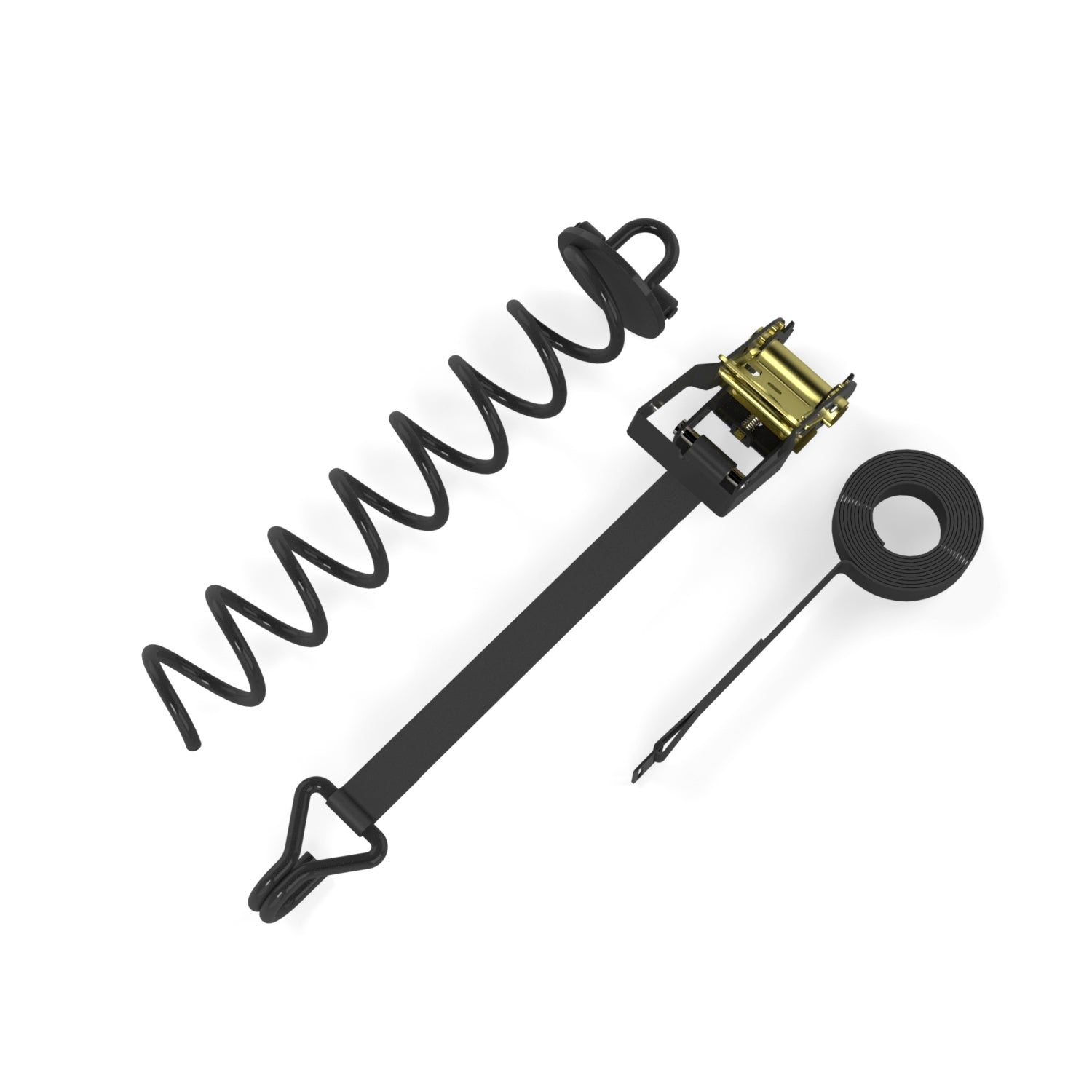
Once the location is set, install heavy-duty wind anchors designed specifically for trampolines. Spiral or auger style anchors are the most effective, as they screw deep into the ground and resist upward pull.
Attach each anchor to the trampoline frame using high quality straps or ratchets, keeping consistent downward tension on all sides. For larger trampolines or windy regions, using more than the minimum number of anchors adds extra security. Rectangular ACON trampolines come with two anchors included, providing a secure base right out of the box. Proper anchoring is essential to prevent trampoline from flying away when gusts pick up.
Step 3: Lower or Remove the Enclosure During Storms
The enclosure net is often the first part of a trampoline to catch wind. During high winds or storm warnings, lowering the enclosure or removing it entirely can greatly reduce lift. If your trampoline has a quick-release or easy-drop system, use it to collapse the net quickly and safely.
This step minimizes the sail effect and helps protect the enclosure poles and mesh from damage. Taking a few minutes to manage the enclosure can make a significant difference during severe weather.
Step 4: Inspect Straps and Frame After High Winds
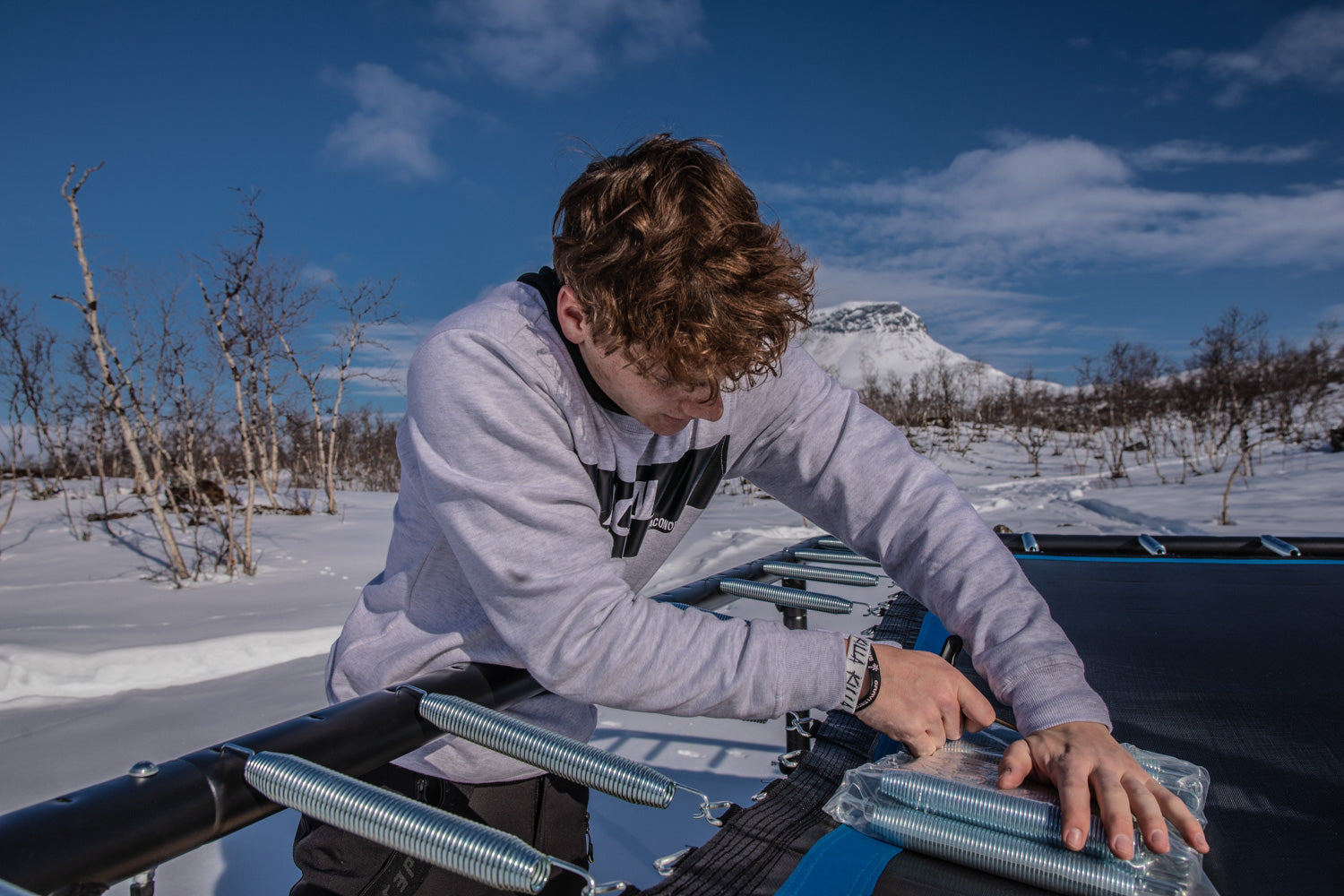
After any period of strong wind, inspect the entire trampoline system. Check that anchors remain firmly in place, straps are tight, and there are no signs of wear or loosening. Look closely at the steel frame for bending, cracks, or shifted joints.
Regular inspections help catch small issues before they turn into serious problems. This final step is a key part of long term trampoline wind safety and helps ensure your setup stays secure for the next storm.

Aerodynamic Design: Reducing the "Sail Effect" with Advanced Mesh
One of the most overlooked causes of a trampoline blowing away is the enclosure net itself. During high winds, the safety net can act like a sail, catching air and pulling upward on the entire frame. Cheaper enclosures often use thick, solid-feeling mesh that blocks airflow. While this may feel sturdy to the touch, it actually traps wind and increases lift during a storm.
High-quality trampolines designed for windy areas use high-density, fine-weave mesh that allows air to pass through more freely. This reduces pressure buildup and lowers the risk of trampoline wind damage. The goal is controlled airflow, not complete blockage. Advanced mesh materials strike that balance by maintaining safety while preventing the enclosure from behaving like a parachute.
Top-rim enclosure systems add another important layer of protection. By connecting the enclosure poles at the top, the net stays evenly tensioned. This structural support prevents the mesh from collapsing, twisting, or catching wind unevenly during a storm, which is a common failure point on basic enclosure designs.
Frame Weight and Gauge: Why Heavy-Duty Steel Matters
When it comes to wind resistance, physics plays a major role. Lighter trampolines are far easier for wind to lift, especially when gusts get underneath the mat or enclosure. Many budget models prioritize portability and low cost, which often means thinner tubing and less overall mass.
Professional-grade trampolines use thick, heavy-gauge steel that significantly increases the total assembly weight. This added mass lowers the center of gravity and makes it much harder for wind to generate enough lift to move the frame. A lower center of gravity also improves safety and stability during jumping, reducing the likelihood of the trampoline shifting while in use. In practical terms, weight acts as the first line of defense before anchors even come into play.
If you are looking for the best trampoline for high wind areas, pay close attention to the listed frame gauge and total weight of the assembled unit. Models that exceed industry averages are better equipped to stay grounded during storms and sudden gusts.
The In-Ground Advantage: Eliminating Under-Mat Air Pressure
In-ground trampolines are widely considered the gold standard for wind-prone locations. The biggest reason is simple: they eliminate the air gap beneath the jump mat. Wind getting underneath the trampoline is the primary cause of flipping, lifting, and frame damage during storms.
A flush-to-the-ground installation prevents wind from building pressure under the mat, which removes the main force responsible for lift. Without that pocket of trapped air, even strong gusts have little leverage to move the trampoline.
Beyond wind resistance, in-ground models offer added safety benefits. With no elevated frame, there is less risk of falls, and the trampoline blends naturally into the yard. For homeowners in consistently windy regions, this is the most permanent and wind-proof solution available. For step-by-step guidance, see our in-ground trampoline assembly instructions.
For homeowners concerned about bounce performance with an in-ground setup, ACON’s Performance Mat is an excellent option. Designed to maintain optimal airflow and rebound, the Performance Mat ensures that installing your trampoline in-ground does not compromise jump quality. This makes it a smart choice for families who want both wind resistance and high-performance bouncing.
Advanced Anchoring: Beyond the Standard U-Stake
Basic U-shaped stakes are often included with trampolines, but they provide minimal protection in high wind areas. These shallow anchors can be pulled out of the ground when soil becomes wet or loose, making them unreliable during storms.
Heavy-duty spiral, or auger-style, ground anchors offer a far stronger solution for windy environments. These anchors screw deep into the soil, creating strong resistance against both upward lift and sideways movement caused by gusts.
ACON ground anchors are designed specifically for trampoline use. Each anchor is installed by twisting it vertically into the ground near a trampoline leg until it is fully seated. High-strength straps are then secured from the anchor to the trampoline frame, applying constant downward tension. This tension helps counteract the lifting force created when wind gets underneath the mat or enclosure.
When paired with a heavy-duty steel frame, properly installed anchors dramatically reduce trampoline movement during storms. While ACON trampolines are built to withstand demanding outdoor use and are engineered with high weight capacities (up to 300 kg) for durability and stability, anchoring is still recommended in windy areas to reduce the risk of lifting, shifting, or storm damage.
For hurricane-prone zones or extreme wind regions, concrete footings offer the most secure option. Anchoring the trampoline frame directly into concrete creates a permanent system that virtually eliminates the risk of the trampoline flying away.
Quick-Release Systems: Managing Extreme Storm Warnings
Wind safety is not just about permanent features. It also involves active management when severe weather is on the way. Some modern trampolines, like the Acon X and Acon’s new updated round models, include enclosure systems with quick-release poles or easy-drop nets designed for fast response.
In the event of a storm warning, being able to lower the enclosure to the mat in under five minutes significantly reduces the trampoline’s wind profile. This removes the sail effect and protects the enclosure, which is often the most fragile and expensive part of the system.
Quick-release designs make it easier for homeowners to take action without fully disassembling the trampoline. For more guidance on preparing your trampoline for severe weather, you can read this related article here.
Reducing exposure before a storm hits is one of the most effective ways to prevent trampoline wind damage and extend the life of your equipment.
Placement Tips for Windy Canadian Backyards
Where you place your trampoline matters more than many people realize. In open areas like the Prairies, wind speeds increase with fewer natural barriers. Position your trampoline near a fence, garage, or hedge that can block prevailing winds without creating turbulence.
Avoid hilltops or exposed corners of your yard. If you live in a coastal region, be mindful of changing wind directions and salt air exposure, which can affect steel over time.

Seasonal Trampoline Safety During Storms
Canadian weather changes quickly, so seasonal care is key.
Spring: Check anchors after the ground thaws, as freeze and thaw cycles can loosen them.
Summer: Watch for thunderstorms and strong gusts. Remove the enclosure net if severe weather is forecast.
Autumn: Falling leaves can clog drainage around in-ground trampolines. Keep the area clear.
Winter: In high wind regions, many families choose to disassemble their trampoline or lower it completely to prevent damage.
These steps help prevent trampoline from flying away and reduce long term wear.
Common Causes of Trampoline Wind Damage
Most cases of trampoline blowing away come down to a few avoidable issues:
- Shallow or low quality anchors
- Lightweight frames not designed for wind
- Loose enclosure mesh
- Ignoring storm warnings
- Being proactive is the best form of trampoline safety during storm season.
Choosing the Best Trampoline for High Wind Areas in Canada
When shopping, look for:
- Heavy gauge steel frames
- Low profile or in ground designs
- High quality enclosure systems
- Compatibility with professional anchoring kits
- Whether you are dealing with prairie winds, coastal winds, or rapidly changing weather, the right trampoline setup makes all the difference.
Final Thoughts
A trampoline can be a fantastic addition to a Canadian backyard, even in windy regions. With the right design, proper anchoring, and smart seasonal care, you can enjoy safe bouncing without worrying about storm damage.
Investing in the best trampoline for high wind areas is not just about durability. It is about safety, peace of mind, and making sure your trampoline stays exactly where you put it, no matter what the forecast brings.

F.A.Q.: Wind Resistance & Safety: Common Questions
Does the shape of the trampoline, round vs. rectangular, affect its wind resistance?
Yes, trampoline shape can influence how well it handles wind. Round trampolines tend to distribute wind pressure more evenly across the frame, which can make them slightly more stable in gusty conditions. The curved shape also reduces sharp edges where air can catch and create lift. Rectangular trampolines often sit higher and have a larger flat jumping surface, which allows more air to build underneath during strong winds.
Can I use sandbags or water weights as a substitute for ground anchors on hard surfaces?
Sandbags and water weights can help add stability, but they should not be treated as a full substitute for ground anchors. Weight placed on the frame increases resistance against lift, which can reduce the chance of a trampoline blowing away in moderate wind. However, during stronger gusts or storms, weight alone often is not enough to prevent movement or tipping. The best way to secure a trampoline from wind on hard surfaces is to combine weight systems with frame tie downs that connect to fixed points.
How often should I inspect the tension of my anchoring straps during the peak wind season?
During the windiest months, anchoring straps should be checked at least once every two to four weeks. Wind, rain, and soil movement can gradually loosen anchors, even if they were installed correctly. After any strong storm or extended period of high wind, it is a good idea to inspect them immediately. Look for slack straps, shifting anchors, or signs of wear on the webbing or metal connectors. Regular inspections are one of the simplest ways to prevent trampoline wind damage and reduce the risk of your trampoline lifting or flying away when the weather turns rough.